


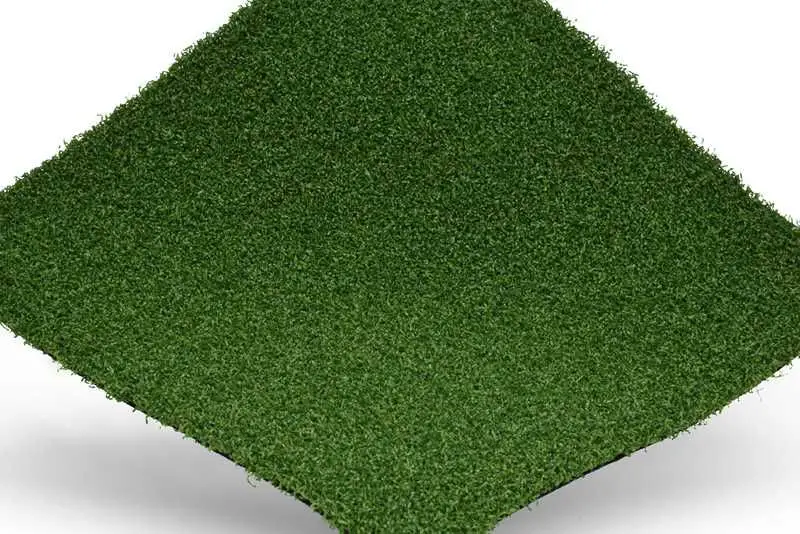
What Length Artificial Grass for a Putting Green
Have you been thinking about what length artificial grass for a putting green?
Choosing the right length of artificial grass is important when creating a putting green at home. The pile height affects rolling of the gold ball, surface feels and how much you need to maintain the greens. Regular landscape grass is designed to look lush and soft, but a putting surface needs short, dense fibres that allow the ball to travel smoothly and predictably.
For most home putting greens, specialist artificial putting turf with a pile height of around 10mm to 20mm is a sensible starting point. The exact choice depends on the product design, the base underneath and the speed you want to achieve. Premier Grass offers dedicated putting green products, so it is worth comparing turf made for golf practice rather than choosing ordinary lawn grass based on appearance alone.
What Is the Best Artificial Grass Length for a Putting Green?
A short pile is generally best for the actual putting surface. Many specialist products fall in the 10mm to 20mm range, with options such as Premier Golf Putting Green 19mm and True Putt 15mm listed in Premier Grass’s putting green range. These are designed for a different purpose from standard landscaping turf, which often has longer fibres.
A shorter, dense pile helps the ball sit on top of the surface rather than disappearing between long blades. This supports a smoother roll and makes it easier to practise direction and distance control. However, pile height alone does not determine performance. Fibre density, yarn shape, infill and the quality of the prepared base all affect the final result.
If you want a green that plays consistently, choose a product specifically made for putting. Consider whether it will be used for casual practice, family fun or more serious training. Ask the supplier for product details and, if they allow, test a sample by rolling a ball over it. A product with a suitable pile height but a poorly prepared base may still produce an uneven roll.
Artificial Putting Green Grass Length: Inches vs Millimetres
Artificial grass pile height is measured from the backing to the tip of the fibres. In Australia, measurements are mostly available in millimeters, but inches are common in some overseas product guides. Knowing how to convert the measurements makes it easier to compare products.
Here are some useful conversions:
– 10mm is approximately 0.39 inches.
– 12mm is approximately 0.47 inches.
– 15mm is approximately 0.59 inches.
– 19mm is approximately 0.75 inches.
– 20mm is approximately 0.79 inches.
For example, a 15mm putting turf is just under 5/8 of an inch, while 19mm is about three-quarters of an inch. Always compare the stated pile height as well as the manufacturer’s intended use. Two products with the same height can behave differently if their fibre density, backing or infill requirements differ.
How Does Pile Height Affect Golf Ball Speed?
Pile height can influence how freely a golf ball rolls. On a shorter, firmer putting surface, less of the ball’s movement is interrupted by grass fibres. This usually allows a smoother and faster roll than a long-pile lawn surface. Longer fibres can create more resistance, causing the ball to slow down or deviate.
However, speed is not controlled by pile height alone. The type and density of the yarn, any infill used, the firmness of the base and the slope of the green all contribute to the ball’s movement. A well-installed putting green should have a smooth, even base so the ball does not bounce or change direction unexpectedly.
If you prefer a faster surface, do not assume that the shortest turf available will automatically be best. Check the product’s specifications and ask how it is designed to perform.
Putting Green Turf vs Regular Artificial Lawn Grass
Putting green turf and regular artificial lawn grass are designed for different purposes. Putting turf usually has a short, dense pile that supports ball roll. Regular landscape grass often has a pile height of around 30mm to 50mm, depending on the product, because it is made to create a lush, natural-looking appearance.
A long residential lawn may feel softer underfoot, but its fibres can slow a golf ball and make putting practice less consistent. Specialist putting turf may look shorter and firmer, but that is part of its function. Some projects use both types: putting turf in the playing area and longer landscape grass around the edges to create a neat fringe or surrounding lawn.
Installation also matters. Putting greens need a stable, accurately levelled or deliberately contoured base, effective drainage and carefully finished joins. If the base has bumps or dips, the ball may roll unpredictably even when the turf itself is suitable.
How to Choose the Right Artificial Grass for Your Putting Green
Start by deciding how you plan to use the green. For occasional putting practice, a convenient home putting turf may be enough. If you want more realistic practice, pay closer attention to the product’s ball-roll characteristics, density and recommended installation method.
Compare pile height, fibre quality, backing and whether the product needs infill. Ask how the turf performs in Australian outdoor conditions and if the manufacturer recommends a particular base or maintenance routine.
Before buying, request samples or speak to a specialist supplier such as Premier Grass. Check how a golf ball rolls across the sample, but remember that the finished base will also affect performance.
Make drainage plan, secure edges and clean joins during installation. Regularly remove leaves and debris, brush the surface as recommended and keep the holes clear so the green remains usable.
Conclusion
What length artificial grass for a putting green shall no more be a doubt now. For a home putting green, specialist artificial grass with a pile height of around 10mm to 20mm is a useful starting point. Options such as 15mm and 19mm putting turf are available from Premier Grass, but the best choice depends on the desired ball speed, product construction and installation.