


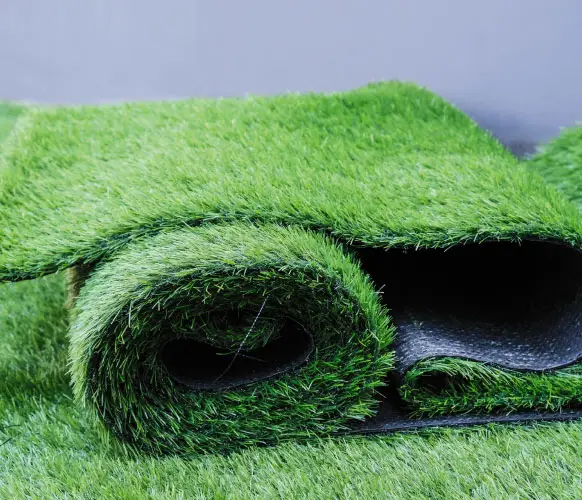
What Thickness of Artificial Grass Is Best
Artificial grass is available in a wide range of styles, colours, and thicknesses, making it easy to find a product that suits different outdoor spaces. However, with so many options available, you might be wondering what thickness of artificial grass is best.
The truth is that the best artificial grass thickness depends on how the space will be used. A family backyard, children’s play area, putting green, or commercial landscape all have different requirements. Choosing the right thickness ensures the lawn not only looks realistic but also provides the right balance of comfort, durability, and performance.
It is also important to understand that thickness alone does not determine the quality of artificial grass. Factors such as pile density, fibre material, stitch rate, and installation quality all contribute to how the finished lawn looks and how long it lasts.
What Does Artificial Grass Thickness Mean?
Artificial grass thickness generally refers to the height of the grass blades, also known as the pile height. It is measured from the backing material to the tip of the fibres and is usually expressed in millimetres (mm).
Common pile heights range from 20mm to 50mm, although some specialised products may be shorter or taller depending on their intended use. Thickness you choose affects both the appearance and feel of your lawn. Shorter grass creates a neat, freshly trimmed look, while longer fibres produce a fuller and softer surface that closely resembles natural grass.
What Thickness of Artificial Grass Is Best?
There is not a single thickness that’s perfect for every application. Instead, the ideal pile height depends on how the lawn will be used.
For most residential properties, 30mm to 40mm is considered the best all-round option. This range offers a natural appearance while remaining comfortable underfoot and easy to maintain.
If you are installing artificial grass in a decorative area or front garden, a slightly shorter pile height can create a tidy, well-manicured finish. Commercial spaces may require different pile heights depending on the expected foot traffic. High-use areas often prioritise durability over softness, making medium pile heights a practical choice.
Artificial Grass Thickness Explained
Artificial grass is available in several pile height categories each designed for specific applications.
20–25mm
This shorter pile height provides a clean, freshly cut appearance and is commonly used for balconies, pathways, decorative gardens, and display areas. It is also easier to brush and maintain.
30–35mm
This is one of the most popular choices for residential properties. It offers a realistic appearance while maintaining enough resilience to recover after regular foot traffic.
35–40mm
Often considered the premium residential option, this thickness creates a lush, comfortable lawn that’s ideal for family backyards, entertaining spaces, and pool surrounds.
40–50mm
Extra-long artificial grass delivers a luxurious appearance but may require more regular brushing to keep the fibres standing upright. It is best suited to low-traffic areas where appearance is the main priority rather than constant use.
Best Thickness for Different Applications
The ideal artificial grass thickness depends on where it will be installed and how the area will be used. Choosing the right pile height helps achieve the best balance of appearance, comfort, and durability.
- Front lawns: A pile height of 30–35mm creates a neat, natural-looking lawn that enhances street appeal.
- Family backyards: 35–40mm is a popular choice because it offers a soft, comfortable surface while handling everyday foot traffic.
- Play areas: Grass between 35–45mm provides extra cushioning for children when paired with a suitable underlay.
- Commercial spaces: Areas with heavy foot traffic usually benefit from 25–35mm grass, as shorter fibres recover more quickly from constant use.
Does Thicker Artificial Grass Mean Better Quality?
Not necessarily. While thicker artificial grass often looks fuller and feels softer, it is not always a sign of better quality. Several other factors have a much greater impact on performance, including fibre material, stitch density, backing strength, UV protection, and manufacturing standards. A well-made 35mm artificial lawn can easily outperform a poorly manufactured 45mm product.
Density is particularly important. Grass with closely stitched fibres generally looks fuller and retains its shape better than products with fewer fibres, regardless of pile height.
Quality artificial grass is designed to withstand Australian weather conditions while maintaining its colour and structure over time. Choosing a reputable product from an experienced supplier is usually more important than selecting the longest grass available.
Does Thickness Affect Durability?
Durability can get influenced by thickness, but it is only one part of the equation. Medium pile heights, typically between 30mm and 40mm, often provide the best combination of comfort and resilience. These fibres are long enough to create a natural appearance while remaining strong enough to recover after regular use. Very long fibres may flatten more quickly in areas that experience constant foot traffic, especially if they are not brushed occasionally.
The durability of artificial grass also depends on factors such as fibre quality, stitch rate, backing materials, and professional installation. Even premium grass can wear unevenly if installed on a poorly prepared base.
Does Thicker Grass Require More Maintenance?
Artificial grass requires far less maintenance than natural lawn, regardless of its thickness. However, longer pile heights generally need a little more attention to keep them looking their best.
Grass with taller fibres may benefit from occasional brushing to help the blades remain upright, particularly in areas with frequent foot traffic. This simple maintenance helps restore the lawn’s natural appearance and prevents the fibres from flattening over time.
How to Choose the Right Thickness
Choosing the right artificial grass thickness starts with understanding how the space will be used.
If your priority is creating a realistic-looking family lawn, a pile height between 35mm and 40mm is often an excellent choice. Decorative areas and pathways may look better with shorter grass, while commercial spaces usually benefit from medium-height fibres that can withstand regular use.
Conclusion
If you are unsure what thickness of artificial grass is best for your property, the team at Premier Grass can help you compare options and recommend a solution tailored to your outdoor space and lifestyle.